


Winter is a little different for everyone, depending on the weather where you live. Each horse’s situation is different, too, so you need to factor in a lot of things to take the best possible care of your pony this winter.
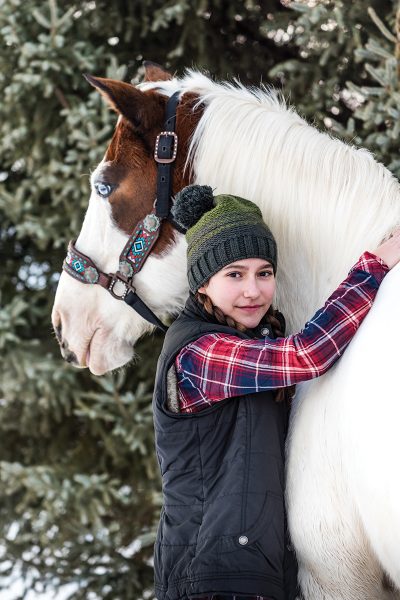
Riding All Winter
If you are planning to ride through the fall and winter months, it’s a whole different ballgame from riding in the summer. Here are some points to keep in mind.
1. A Place to Ride: Do you have a place to ride when it’s cold, such as an indoor arena or an area outside that has good footing? Winter weather can make outdoor footing hard, icy, or uneven, and puddles of water or mud can make it slippery.
2. Blanketing: Many horses do just fine with their own fuzzy winter coat to keep them warm, but horses that have been body clipped (see below) will need to be blanketed. Horses that are thin, older, in poor health, or that don’t grow a thick coat may also benefit from blanketing.
Blankets come in both stable and turnout versions, and in different weights (levels of warmth). Your horse may need several different blankets, including lightweight, medium weight, and possibly a heavyweight. Always keep a close eye on the weather.
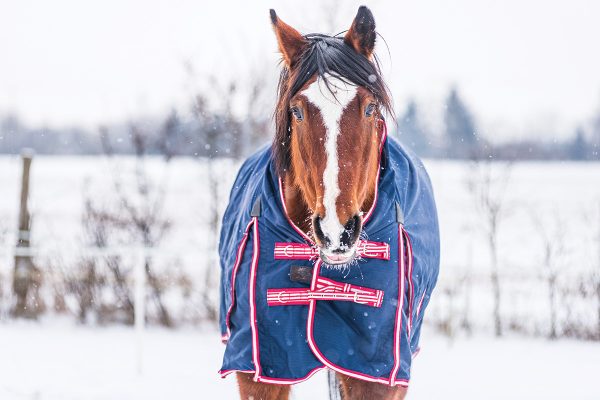
The best practice is to remove your horse’s blanket daily to make sure it has not caused any rubs or sores and does not need any repairs. This is also a great time to brush your horse’s coat, then readjust the fit of the blanket before putting it back on or changing to a different weight if he is too hot or cold.
3. Warm Clothing: Wear layers that allow you enough flexibility to move. A vest is great for core warmth. For riding, you may want to invest in winter-weight breeches or pants plus toasty socks and gloves to help keep you warm.
4. Horse Weight: Pay attention to your horse’s body condition in winter. He may need to burn more calories to stay warm, and this can make it difficult for some horses to keep up a good weight throughout the season, especially if you continue to ride or compete.

Cold weather can be especially hard on older horses, so pay extra attention to seniors.
To Clip or Not to Clip?
As the days get shorter and winter approaches with its cooler temperatures, horses naturally will begin to grow a fuller, longer coat. With a thick winter coat, it can be difficult to groom your horse and keep him comfortable after a ride in cold weather.
After a ride, if your horse is sweaty, it’s important to spend the necessary time walking him out to allow his breathing (respiration) and temperature to return to normal. His chest and body should feel cool before you put him away or feed him. And of course, all traces of sweat should be removed from the coat.
This is important any time of year, but the chill of winter brings some additional challenges when it is too cold to rinse or sponge a horse off. A thick coat takes a long time to dry, and the horse can get chilled if he stands around with a wet coat in winter, which is not good for him.
If you only ride once or twice a week and have time to cool your horse out properly, you may do just fine allowing your horse to remain fuzzy during the winter. However, if you have a more intense riding schedule, this thick coat can cause your horse to get hot and sweaty and take a long time to cool out until he’s dry.
Clipping your horse can keep him more comfortable during exercise and make cooling out faster, although you will have to commit to blanketing your horse. If you plan to do your own clipping, it takes some practice to get good, but it’s a useful skill to learn. Ask an experienced horse person to teach you how to clip if you are interested. Some people may opt to hire a professional to give their horse a winter haircut.
There are several types of body clips that you can customize to suit the type of work your horse is doing and his living situation (a cozy indoor stable or outdoor pasture).
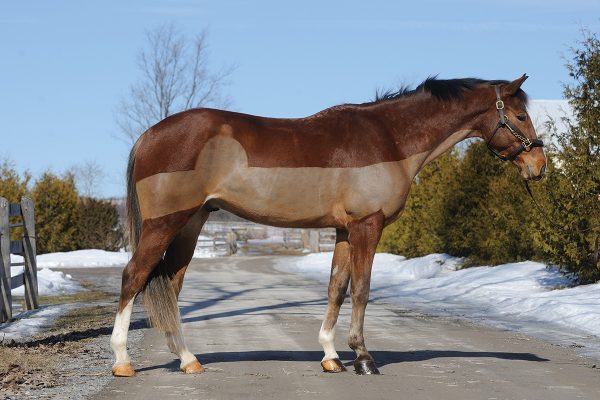
A partial clip removes hair only where needed—from the neck, chest, and underside of the horse where he tends to sweat the most—while still leaving some natural protection from the elements. If your horse lives mostly outdoors, a partial clip is a good solution (see photo below).
A full body clip is used mostly on show horses. It’s more high-maintenance, since this clip removes all the hair on the head, body, and legs. Stabling and extra blanketing will be required during the colder months, especially when it’s going to be wet and/or windy, or if he is older or in poor health.
Cooling Out
When cooling out your horse in cold or windy weather, covering him with a cooler can help him dry faster and keep him from getting a chill while his coat is still damp. A cooler is a lightweight blanket made of fleece, wool, or other material that helps pull or “wick” moisture away from the horse’s coat.
Never put a heavy winter blanket on a hot, sweaty horse in cold weather, as he might stay too hot under the blanket. A blanket can be put on once your horse is cooled out and dry. (Note that you would never cover a horse with a cooler or blanket in warm weather, as this could make him overheat.)
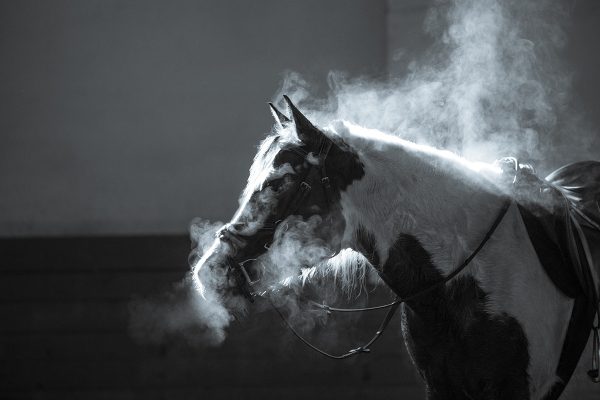
Think about the winter horse care pointers above and discuss with your instructor or another knowledgeable horseperson and be prepared before the cold season begins. That way, you can continue to ride and have fun with your horse all winter long!
Brought to you in partnership with The United States Pony Clubs, Inc. Pony Club offers education and hands-on opportunities for equestrians of all ages in a community atmosphere. Join Pony Club for more lessons like this! Find a Pony Club or Pony Club Riding Center near you, and learn more at www.ponyclub.org.
This article about winter horse care appeared in the November/December 2024 issue of Young Rider magazine. Click here to subscribe!

