


You’ve been working hard to confirm a great working partnership with the horse you own, lease or lesson on, and the time has finally come—you’re ready for your first show! You’re excited and you know it will be worth the effort and sacrifice it took to get to this place in your riding career. Now it’s time to get prepped and ready beforehand so you can focus on riding your best in the show ring!
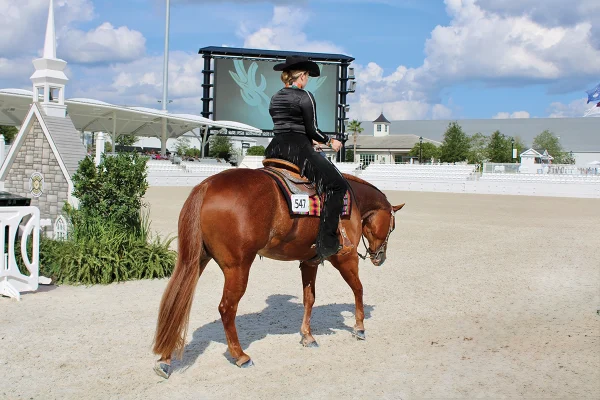
Preparation
Being prepared should be your No. 1 priority when showing, and training at home is the only way to start. There’s an unspoken rule when it comes to picking your classes: always stick with what you’ve been practicing.
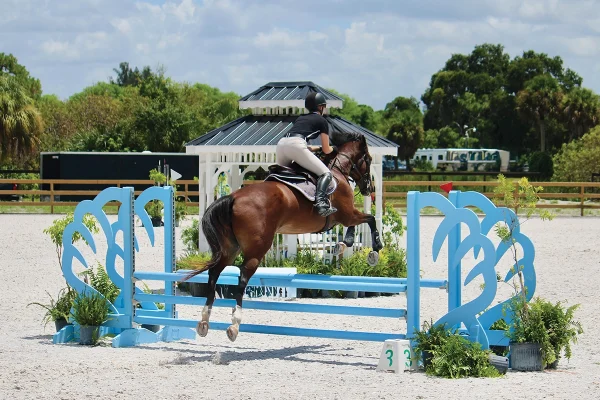
For example; if you are jumping 2 feet at home, don’t sign up for the 2’6″ classes. Or if you are taking walk-trot lessons, then you shouldn’t enter any classes that require loping or cantering. Not only would this be unfair to you and horse, it could be dangerous to your safety, too.
Showing isn’t all about how well you and your horse compete in classes or events. This is also a chance for you to show off your turnout skills: this refers to how good you can make your horse look with great grooming, clean tack, and a tidy show outfit.
Before getting heading off to a show, there is some homework you need to do at the barn ahead of time to be as prepared as possible for success.
Horse Checklist:
◆ Feed your horse properly to care for him inside and out.
◆ Keep your horse up to date on current vaccines, his Coggins test, dental exams, farrier visits and vet exams. (Show facilities usually require you to have certain vaccines and tests performed to enter any classes.)
◆ Grooming needs to be part of your daily routine at the barn. Keeping your horse clean will ensure his wellbeing and make show prep easier.
◆ Read your show’s rulebook to find out what the judges are expecting from you and your horse. With some research, you’ll find out about correct clipping of your horse’s body hair, mane and tail preferences, and guidelines to present your horse properly in the show ring.
◆ Make sure your tack and gear are clean and polished. You can consult the rulebook to make sure what you have is safe and legal in the show pen. Have saddle pads, saddles, bridles and other gear clean and fitted to your horse to provide a pain-free experience.
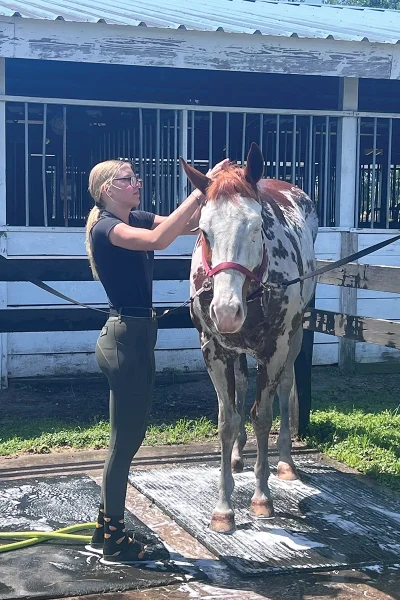
◆ Bathing should already be in your weekly grooming routine. However, the night before or morning of your show, you’ll need to use your best skills to get this job done. Get ready to scrub! Using some coat spray and hoof polish will bring out the shine before you enter the arena—just don’t put coat shine spray under the saddle/girth if it’s slippery.
Rider Checklist:
◆ Clean and properly fitting riding gear, tack, and attire will make a good first impression with the judges. Your helmet, boots, gloves, belt, hunt coat, and breeches or jeans, shirt, chaps and western hat must fit you properly; if not, you’ll be negatively distracting the judges.
Showing is not about having the newest or trendiest clothes and tack. The amount of silver you have on your saddle or a very expensive hunt coat will not make your performance better in the judges’ eyes.
◆ Help your trainer or parent by getting your show paperwork organized. Registrations, membership numbers, insurance cards, health certificates, microchip records, emergency phone numbers, reservations, a rulebook, show bill and a current photo of your horse should all go into a binder with your horse’s name and your contact information printed on it.
◆ Plan ahead for your horse’s travel needs. Asking your trainer, a friend, or a shipping company to haul your horse can’t be arranged at the last minute.
Entering the Show
With websites being the most popular way to enter shows these days, a parent and trainer must help you enter.
As soon as you know you’re going to attend, visit the show’s website and navigate around to get an idea of what you and your parent or trainer needs to have ready. For example: trainer’s membership numbers, birthdates, horse’s registration number, and more will be needed to sign up for specific classes and events. Finding out the secretary’s email and cell number will help you if you need to reach out with questions.
For local and smaller open shows, you can sometimes enter right at the show office in person the day of. A parent or trainer’s assistance will be needed to sign up. Having that paperwork binder will come in handy with this type of entry.
Show Day
To have the best possible experience at any show, give yourself time. Rushing around will only hinder your mental outlook before the show. Being prepared and practiced is one way to control the chaos that comes with show-day jitters.
Ask for help if you get overwhelmed, and try not to lash out at your trainer, family members, or friends. They are all there to support you. Staying calm is what your horse needs most from you.
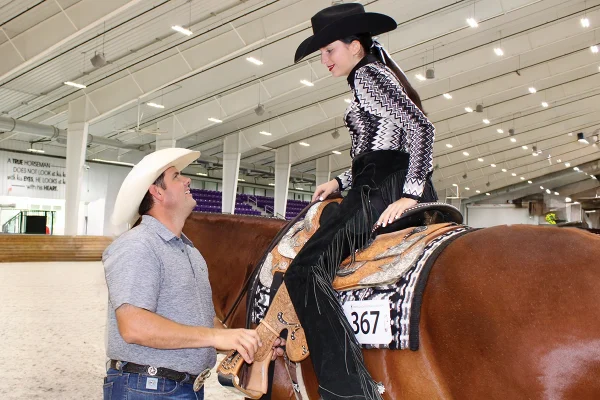
Finally, remember that showing isn’t about what color ribbon you bring home (if any). It’s about showing off your skills and bond with your horse. Striving to be better each time you enter the show pen will help you focus and get the most out of competing.
Keep in mind that you are not perfect, but on a journey of constant improvement. Sportsmanship is important, and that means supporting your fellow competitors no matter what. Winning isn’t everything—learning is!
Horse Show Packing List
Whether you’re attending a one-day show and coming home for the night or if you’re planning to stable your horse throughout the week or weekend, there’s a lot of stuff to pack!
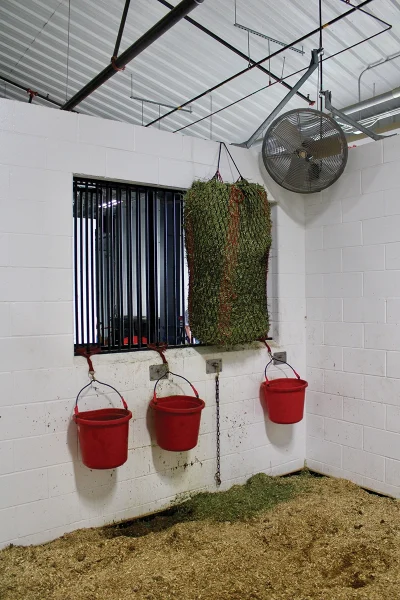
For Your Horse:
◆ Enough hay and grain, including a little extra; supplements
◆ Hose and spray nozzle
◆ Water and feed buckets; hay net
◆ First-aid kit
◆ Treats
◆ Fly spray
◆ Towels
◆ Grooming and bathing supplies
◆ A show sheet/blanket and stretchy neck hood if needed
◆ Halter with lead; cross-ties
◆ Bell boots, performance boots
◆ Training aids: whip/crop, spurs, side reins, longe line and longe whip, ear plugs
◆ Tack: saddle pad/blanket, half pad, girth/cinch, saddle, bridle, extra reins, bit(s)
◆ Tack hooks and saddle rack
u Tack trunk
Most Forgotten Items:
Scissors, hoof pick, hoof oil, baby powder or whitening spray, face oil, seam ripper for taking out braids or bands, fake tail, salt lick, duct and electrical tape, hanging fan, tack sponge and leather cleaner, garbage bags, pitchfork, and muck bucket.
For You:
◆ Show and training clothes: boots, belt, helmet or hat, gloves (put in garment bags to keep clean)
◆ Mirror to check hair for flyaways, coat for dust, etc.
◆ First-aid kit
◆ Cooler with ice to store healthy snacks and water/sports drinks
◆ Cash and/or credit card for on-site purchases like food, gear, show photos
◆ Positive attitude and patience
Most Forgotten Items:
Phone charger, sunscreen, pain reliever like Tylenol/Advil, allergy medication, stain stick and laundry soap, quarters for washer and dryer, insulated travel mug, extra pair of gloves, zip-top baggies, baby wipes, pen and marker, folding camping chairs to sit on near the stall, and an umbrella.
Good luck at your first horse show!
This article about your first horse show appeared in the July/August 2025 issue of Young Rider magazine. Click here to subscribe!

