


Noble, versatile, athletic—these are just some of the words that describe Hanoverian horses. These stunning warmbloods have a long history and a lot to offer today’s riders.
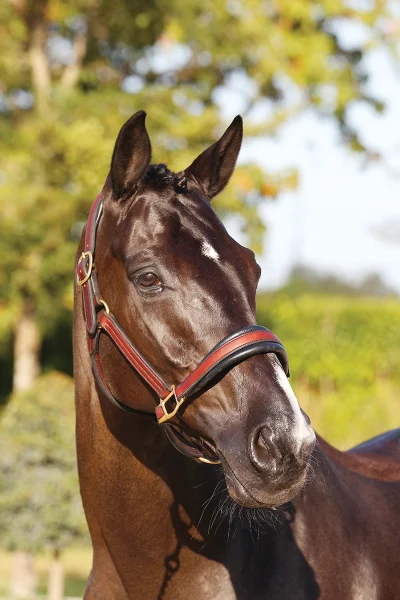
In 1888, a society was formed in Germany to nurture the development of the Hanoverian horse. The breed gets its name from its place of origin: Hanover, Germany. By the late 1970s, Hanoverians in the United States had become numerous enough that an additional organization was formed: the American Hanoverian Society (AHS).
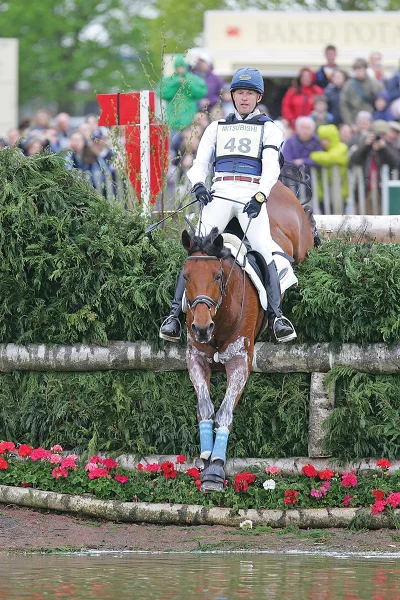
It’s easy to see why Hanoverians are so well-loved. They are known for their excellent, trainable temperaments, and their suitability for many disciplines, including dressage, eventing, jumping, combined driving, and hunters.
“Their character and temperament [are] a top priority,” says Natalie DiBerardinis of the AHS.
The AHS expanded to include the American Hanoverian Riding Pony Studbook in 2024, and these ponies share the same “strong foundation in rideability, trainability, soundness, and athleticism” as their larger Hanoverian cousins, according to Natalie.
Fun for All
You might think of Hanoverians as the kind of horse you see adults riding in the Olympics, and while that’s true, Hanoverians can be great for young riders, too.
“Hanoverians have been bred specifically as riding horses with a focus on dressage, jumping, and eventing, making their character and temperament a top priority in breeding selection,” Natalie explains. “These qualities make them an outstanding choice for young riders, as they offer a willing, intelligent, and balanced partner for riders to develop and progress with, whether on a full-sized horse or a carefully bred riding pony.”
Youth rider Ryleigh Koch, now 20, has certainly found this to be true. She acquired a Hanoverian gelding named Ruben D4K through Lendon Gray’s Dressage4Kids program, and together Ryleigh and Ruben achieved an impressive list of accomplishments in 2024.
They represented U.S. Dressage Federation (USDF) Region 1 at the North American Youth Championships, where they placed 11th in both the Junior Individual and Freestyle. They won both the Third Level Jr/YR Championship and the Junior Team Test Championship at the USDF Region 8 Championships. They also swept the Junior classes at the Dressage at Devon CDIJ, finished 3rd in the Jr/YR Third Level Championship at the U.S. Dressage Finals, and won the AHS Jr/YR Rider Award at the Finals.
“Ryleigh and Ruben’s success showcases the talent, partnership, and athleticism that Hanoverians bring to young riders aiming for the highest levels of the sport,” Natalie says.

Explore the Breed
If you can’t wait to join the fun with Hanoverians, then you’re in luck! The AHS has plenty of opportunities for youth riders to enjoy the breed and earn awards.
The society offers “dedicated junior/young rider divisions in dressage, hunters, and jumpers, as well as additional award opportunities in eventing, sport horse breeding, hunter breeding, and more through our open divisions,” says Natalie.
For $40/year, you can join as a Junior/Young Member and take part in the educational opportunities at the AHS Annual Meetings. The AHS Foundation also offers three scholarships, ranging from $500 to $3,000, and Natalie says young riders are eligible to apply for these.
“This spring, we are excited to announce a new scholarship specifically for our younger members, furthering our commitment to the next generation of Hanoverian enthusiasts,” she adds.
Hanoverian Fast Facts
◆ Hanoverians are usually between 16 and 17 hands high.
◆ One of the best-known dressage horses in history was a Hanoverian gelding named Gigolo, who won six Olympic medals and four world championships in the 1990s.
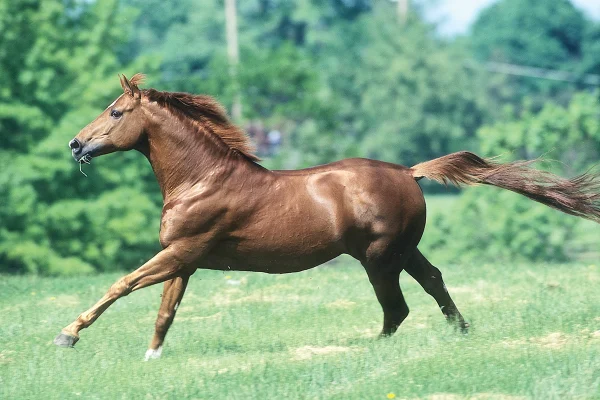
◆ Common coat colors for Hanoverians include chestnut, bay, black, and gray.
◆ The American Hanoverian Society was established in 1978, although the original registry in Germany dates back to 1888.
This article about the Hanoverian breed appeared in the July/August 2025 issue of Young Rider magazine. Click here to subscribe!

