


You are done riding your pony and he’s breathing hard and sweating, but you’re in a hurry to go somewhere with your friends. No problem, right? You figure you’ll just untack fast and put him back out in the pasture, where he will roll and enjoy being back with his pasture buddies.
WRONG! Please don’t do this after a ride. If your horse is sweating and breathing hard, you must take the time to gradually cool him out before he can safely be put back in his stall or in the pasture. Without a proper cooldown, horses can get chills, muscle cramps, or even colic (a painful and serious bellyache). Post-ride care is crucial for your horse after every ride.
In very warm or very cold weather, the process will take more time and effort. Cooling out properly is very important for your horse’s health and safety. A horse should always be put away cool, dry, clean, and comfortable after every ride. Cooling out is one of the most important things you can do for your horse to keep him healthy and happy.
Cooling Out Clues
Finish every ride by walking the horse (either under saddle or by hand) for at least 10 to 15 minutes. This allows the horse’s body temperature to return to normal and can help prevent sore muscles and other injuries.
How do you know that your horse’s body is back to normal?
◆ Notice his nostrils: Are they flared out? Is he breathing rapidly? When cooled out, the horse’s breathing will appear normal.
◆ Feel his chest area: Is it sweaty or hot to the touch? Touching a horse’s chest will help you determine if he’s still warm and needs more time to return to normal temperature.
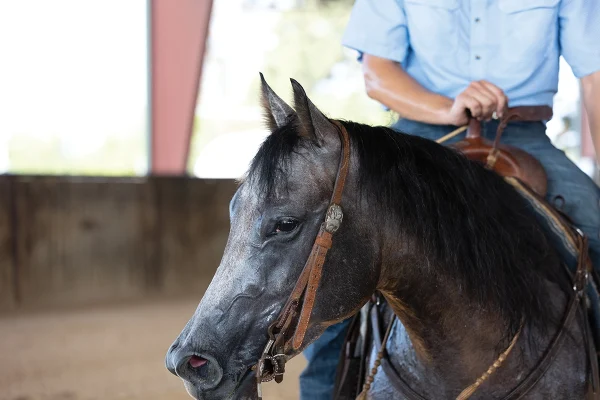
Once these two areas return to normal, you know your horse is safely cooled out. Depending on how sweaty he is, you may need to wash him. Remember, horses should always be put away cool, dry, clean, and comfortable after every ride.
Check Vital Signs
Checking a horse’s vital signs, including temperature, pulse, and respiration (TPR) is another way to monitor the cooling-out process. This is especially helpful for riders that compete in horse sports that are more physically demanding, such as polo, endurance riding, or the cross-country phase of eventing.
Practice taking vital signs and learn what is normal for your horse. Normal body temperature range for a horse is 98.5 to 101 degrees Fahrenheit; pulse (heart rate) is 30 to 45 beats per minute, and respiration (breathing) is 8 to 16 breaths per minute. Knowing the TPR for your horse at rest will help you better care for him.
Proper Use of Water
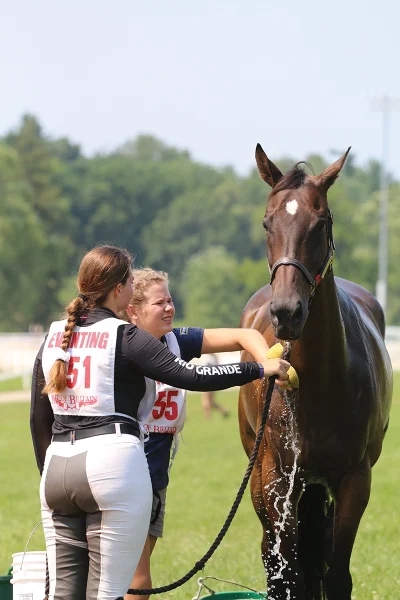
A horse loses water during exercise by sweating just like we do. It’s important to offer water after exercise. You may let him drink right away and then continue to walk more and offer a drink again as you continue the cooling out process.
Hosing or sponging with water can also help cool down a horse after a hard ride, especially in hot or humid weather. The cool water helps absorb the body heat. Remove the excess water with a sweat scraper, reapply, and repeat.
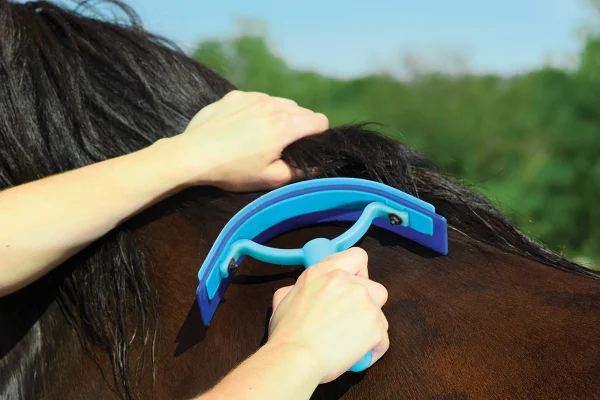
As you are hosing or sponging your horse off, pay special attention to areas that tend to get sweaty, including his chest, neck, back, belly area, and between his hind legs. A small sponge can be used on the horse’s face and behind the ears, or anywhere the bridle touches the face. Once he is dry, groom those areas carefully to make sure all sweat has been removed.
Part of the post-ride process can involve checking the horse’s legs to look for cuts or scrapes. If a horse has wet mud on his belly or legs, be careful how much water you apply to those areas in cold weather. It is sometimes best to let the mud dry and then brush it off. Using water when it’s cold out on the lower part of the legs, fetlocks, and bulbs of the heels can cause chapped skin and painful mud cracks.
Cooling Out in Cold Weather
On a cool or windy day, you might consider covering your horse with a cooler to prevent chills as you untack and cool him out, especially if his coat is damp. A cooler is a blanket made of moisture-wicking material, such as fleece or wool. This helps a horse with a wet coat stay warm while he dries.
In warmer months, an anti-sweat sheet can be used in place of a cooler. These sheets are made of lighter fabric with ventilation to let hot air escape.
A few rules to remember on covering a hot horse:
◆ Never cover a hot or warm horse on a warm day, as this holds in heat in and isn’t good for the horse.
◆ Do not put a heavy turnout blanket on a hot, sweaty horse in cold weather. He might overheat; the lining of the blanket will get wet, and then the horse stays damp and clammy for a long time.
◆ Wait until the horse’s body temperature has returned to normal, and make sure his coat is dry before putting on a winter blanket.
Final Post-Ride Care and Tips
Once your horse is cooled out, there are a few more steps to make sure he is clean and comfortable before putting him away.
Before you return him to his stall or pasture, give him a thorough grooming before you put him away. Pay special attention to any areas where tack has touched his skin, and check his hooves for any rocks or objects you may have picked up during the ride.
Groom the face and behind the ears well. This area is often missed, and the dried sweat becomes itchy. Rub your hand over your horse’s entire body to feel for sweat. The key areas that are sometimes missed are the chest, neck, girth area, saddle area, and in between the hind legs.
After your horse is cooled out, cleaned up, and safely back in his stall or pasture, it’s time to take care of your tack. Wipe it down, check the stitching, and clean the bit before putting it away. Now you are ready to head on your way!
Brought to you in partnership with The United States Pony Clubs, Inc. (USPC or Pony Club). Pony Club offers education and hands-on opportunities for equestrians of all ages in a community atmosphere. To learn more or find a club/center near you, visit ponyclub.org. Pony Club also offers horsemanship courses, games and quizzes online through allpony.com.
This article about post-ride care for your horse appeared in the September/October 2025 issue of Young Rider magazine. Click here to subscribe!

