

Does sitting arena or course-side with a camera in hand, documenting the highlights of equestrian athletes’ days in the show ring sound like your dream job? If so, pairing your creativity and knowledge of equine events may be a career path you want to learn more about.
There are a couple of different business models in the realm of horse show photography, but the focus of this article will be on “official” show photographers. “OPs,” as they are commonly referred to in the business, strive to provide high-quality pictures of every exhibitor during the event. Many also provide posed win photos with a backdrop setup or in the arena.
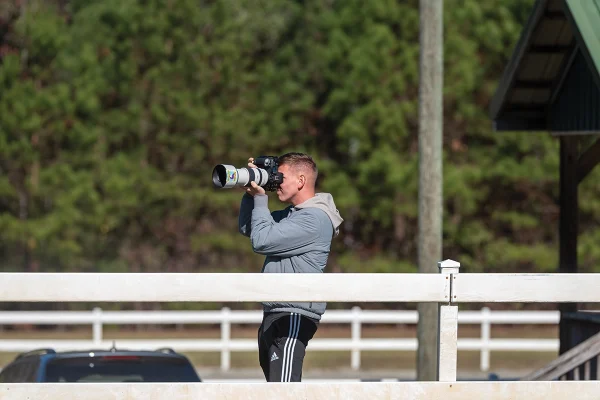
Knowing how to present each equine sport in a way that projects a positive image to the public is an important part of the official photographer’s job. The photos they sell to riders are not just treasured keepsakes; their images are also found on the pages of industry magazines and in the content used by breed associations and show production teams on social media and in advertising.
A Day in the Life
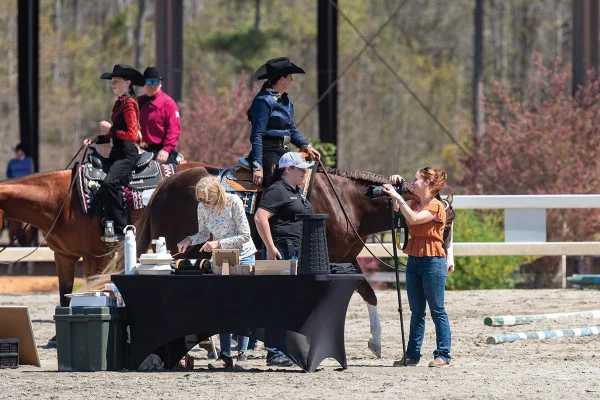
An OP’s work begins well before the first rider enters the in-gate. For a multi-day show, most arrive the day before or very early the morning of the first competition day. Sales booths and backdrop areas must be set up with computers, samples, props and lighting.
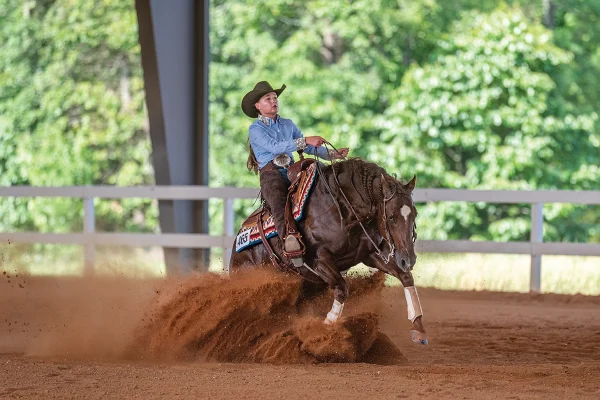
Then it’s time to scout the arenas or courses for the best places to catch the action. To do this, OPs will walk cross-country courses, study the next day’s patterns at a breed or stock horse show, or find the jumps that offer the best angle, background and lighting on a hunter/jumper course. Once they’ve determined the best places for their team to take great photos, it’s time to set up and adjust lighting (if used) and double-check equipment.
The OP and their team photograph riders the entire show day, no matter how long the day may be. For many, the work is not done when their camera is put away for the day. They must sort through thousands of images to identify the best ones to keep, which are then organized into a file system that makes finding (and buying!) the photos on the photographer’s website an easy task for customers.
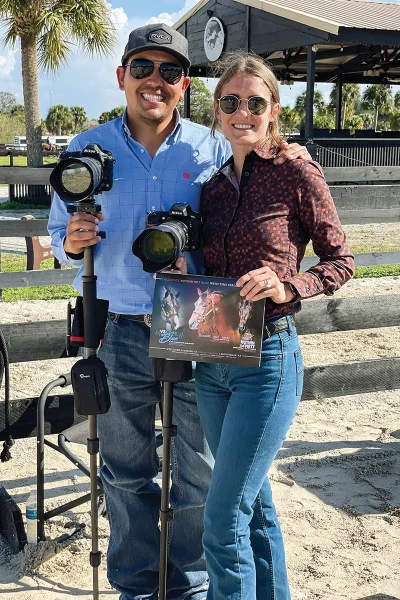
Often there are orders coming in that need to be fulfilled as well. As you can see, there are many moving parts associated with a horse show photographer’s job! Still interested? Here are some steps you can take to get started.
◆ Study the discipline(s) you want to shoot.
“Find the people who are successful in those industries and look at what they’re posting on their website,” said Liz Crawley, who has worked as the OP for shows like Sport Horse Nationals and the U.S. Eventing Collegiate Championships, as well as on the official photography team for the World Equestrian Games and the Kentucky Three-Day Event.
“Studying older publications, if you can, will probably have a better variety of ‘correct’ stock shots (particularly action), and that’s very valuable to know what to look for,” advises Cody Parmenter, a top stock horse photographer and OP for shows such as the National Snaffle Bit Association World Show.
Knowing what the ideal shots are in terms of angles and leg placement during different gaits and over fences, plus important elements of patterns to capture, will help you know what you’re working toward once you’re looking through the viewfinder.
◆ Approach practicing your craft respectfully.
You may be eager to practice, but before you arrive at a show with your camera, there are some simple rules of etiquette to follow.
“The golden rule is to ask the OP if it’s all right to practice, and respect their answer,” Liz says. “I’m OK with people practicing at my shows and will actually help them, but some photographers may not be open to that scenario, because people in the past haven’t been truthful about their intentions.”
Once you have the go-ahead, there are a couple more things to remember.
“Posting all of your photos to the internet for free is a big no-no,” warns Liz. “Giving them away to all of your friends is also frowned upon. We’re a very small community. If you break the rules with one photographer, word can travel fast, and you may alienate a photography community that could support and maybe even hire you in the future.”
◆ Ask an OP for a job!
“I always encourage people to work as a second shooter,” says professional barrel racing photographer Heather Jarman of 555 Photography. She has worked as the OP for events such as the Kinder Cup Futurity. “Even if it’s a discipline you aren’t directly interested in, it’ll give you an idea of the behind-the-scenes dedication needed to be a good OP. There’s so much to this gig that most people will never see, so it’s important to see some of it before you jump in head-first.”
You may not be put in the main ring right away, but aspiring show photographers can learn a great deal from filling any of the roles needed by an OP’s team.
“Try to be open-minded, versatile, and most importantly, humble,” Cody says. “It’s a ‘work your way up’ process, but moving up can go quickly if there’s potential there. Typically, there’s a need for someone who’s willing to wear multiple hats, which may mean sorting photos, getting ears on occasion, shooting candids, taking orders, et cetera. So be a sponge, be willing to listen to the ‘old heads,’ and you can stick around long enough to figure out how to do it yourself when you’re ready!”
◆ Recruit friends or practice at small shows.
You don’t have to be at an actual horse show to work on your photography skills. Invite your friends to dress up and have a mock show day at the barn. You’ll get to practice with no pressure, and your friends will love the images you create for them!
Smaller shows that don’t have an OP are also a great place to hone your skills.
“In fact, these are exactly the type of events that are perfect to practice at,” says Heather. “Plus, the show will appreciate any content you can give them. That may lead to your own OP position in the future.”
Meet the Experts
To learn more about our experts’ work, you can find them on Facebook and Instagram. Their official websites can be found at:
◆ Cody Parmenter Photography
◆ Liz Crawley Photography
◆ 555 Photography (Heather Jarman)
◆ Article writer Jessica O’Connor is a freelance writer and official horse show photographer based in Ridgeville, S.C. She specializes in stock horse events.
Remember, if you’re willing to learn, work hard, and foster good relationships in the industry, you too could be behind the lens as an OP one day!
This article about a career as a horse show photographer appeared in the July/August 2025 issue of Young Rider magazine. Click here to subscribe!

